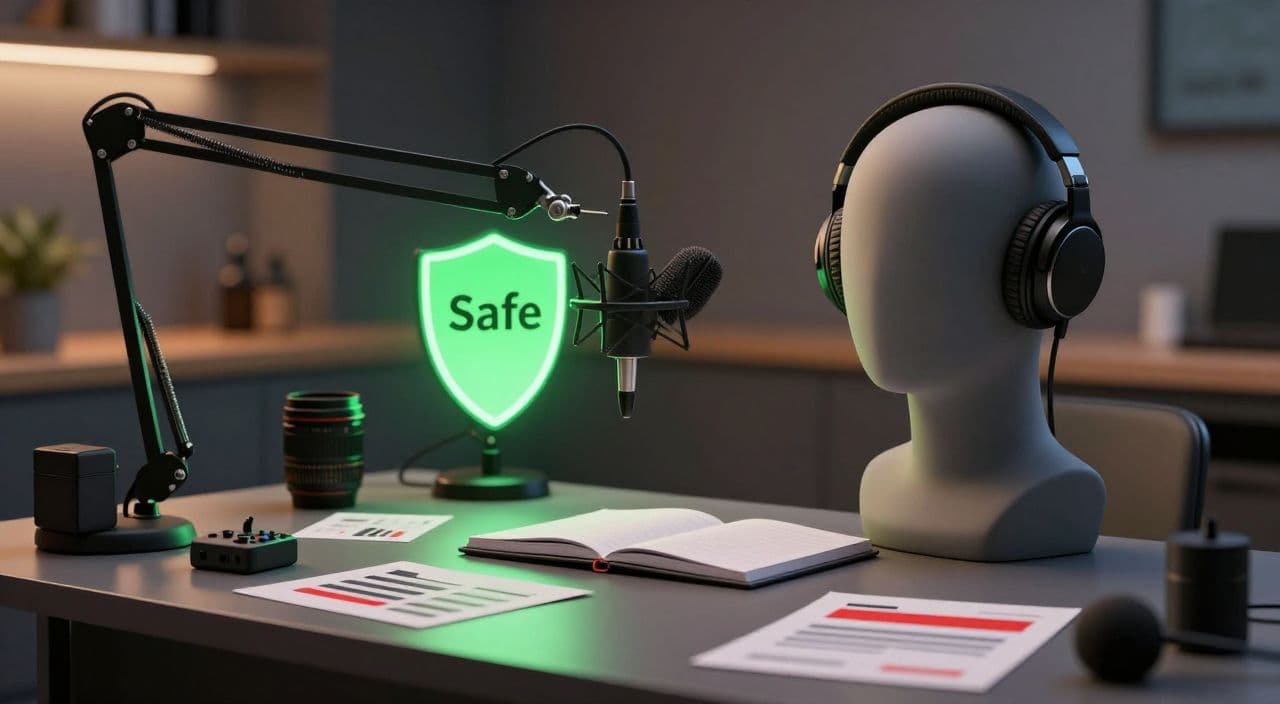
Sensitive topics are not automatically bad topics for YouTube. In fact, many of the strongest long-form documentary channels are built around difficult history, crime, psychology, social issues, disasters, scams, medical stories, or personal survival narratives.
The problem is that sensitive topics punish lazy production faster than almost any other category. A low-effort video about a strange invention can feel forgettable. A low-effort video about abuse, tragedy, suicide, violence, or real victims can feel exploitative, unsafe for advertisers, and untrustworthy to viewers.
That matters more in 2026 because YouTube has been refining how it treats advertiser-friendly sensitive content. YouTube’s own advertiser-friendly guidelines still draw lines around graphic, shocking, hateful, dangerous, or highly sensational material, but recent updates have made more room for non-graphic, discussion-based, educational, journalistic, and dramatized coverage of certain controversial issues. AP reported in January 2026 that YouTube expanded full monetization eligibility for some non-graphic coverage of sensitive issues while keeping restrictions on more severe or graphic categories.
For faceless creators, the opportunity is clear: serious documentary topics can work, but only if your channel feels like an editorial product instead of an automated content mill.
Start With the Editorial Reason
Before writing a script, ask one question: why should this topic exist as a video?
Weak reasons sound like this:
- The topic is shocking.
- The title could get clicks.
- Other channels are doing it.
- AI can generate the script quickly.
Stronger reasons sound like this:
- The audience will understand a confusing event better.
- The story reveals a pattern viewers can learn from.
- The video separates myth from fact.
- The topic connects to a larger cultural, historical, or business lesson.
This is especially important for faceless channels because you do not have a visible host earning trust on camera. The trust has to come from the structure, narration, sourcing, pacing, and restraint of the video itself.
A good test: if you removed the most shocking detail from the story, would the video still have a reason to exist? If not, the concept is probably too dependent on sensationalism.
Choose Topics With a Clear Monetization Risk Profile
Not every sensitive topic carries the same production risk.
Lower-risk documentary angles often include historical analysis, business scandals, failed products, strange legal cases, biographies, cultural trends, internet mysteries, science ethics, and non-graphic explainers about public events.
Higher-risk angles include active tragedies, graphic violence, child abuse, eating disorders, explicit sexual abuse, self-harm instructions, real victim footage, hateful ideology, and content where the thumbnail or title makes the suffering itself the hook.
YouTube’s advertiser-friendly content guidelines are worth reading before building a channel around these themes. The practical takeaway is not “avoid every hard topic.” It is “understand the difference between context and focus.”
A documentary can mention a sensitive issue as part of a broader educational story. That is different from using graphic details, disturbing imagery, or emotionally manipulative packaging as the main attraction.
Build the Script Around Context, Not Shock
For long-form faceless videos, the script is the main safety layer. Visuals and voice matter, but the script decides whether the video feels educational or exploitative.
A safer structure looks like this:
- Establish the question the video will answer.
- Explain the background viewers need.
- Walk through the timeline without exaggeration.
- Separate confirmed facts from claims or theories.
- Explain why the story matters.
- End with the broader lesson, not a forced cliffhanger.
Notice what is missing: no gore-first opening, no “you won’t believe what happened next,” no fake urgency, no pretending speculation is evidence.
This does not mean the video has to be boring. It means the tension comes from clarity. Viewers keep watching because the story is well arranged, not because the script keeps dangling the next disturbing detail.
Use AI Voiceover Carefully
AI voiceover can work for documentary content, but tone is everything.
A cheerful, overexcited voice over a serious subject feels disrespectful. A flat robotic voice makes the video feel mass-produced. A fake “true crime narrator” voice can make sensitive stories feel theatrical in the wrong way.
For sensitive documentaries, aim for calm authority. The narration should sound measured, clear, and emotionally appropriate. If the topic involves real harm, the voice should not sell the story like a trailer.
This is also where many faceless channels accidentally create sameness. If every episode uses the same cadence, the same sentence rhythm, and the same emotional pattern, the channel can start to feel repetitive even when each topic is different. Vary the structure by episode type: timeline breakdown, profile, investigation, myth-versus-fact, lessons learned, or case study.
Keep Visuals Non-Graphic and Clearly Contextual
Visual restraint is often the difference between a monetizable documentary and a risky one.
Instead of showing disturbing footage, use safer visual systems:
- Maps and timelines.
- Archival-style documents.
- Neutral location imagery.
- Abstract motion backgrounds.
- Recreated scenes that avoid graphic detail.
- AI-generated establishing shots that do not pretend to be real evidence.
- On-screen quotes from public sources, kept brief and clearly attributed.
Be careful with AI-generated realism. If an image looks like real footage of a real event, person, disaster, or crime scene, viewers may interpret it as evidence. That creates a trust problem and may create disclosure obligations depending on the context. For documentary-style videos, it is often better to make AI visuals obviously illustrative than to chase fake realism.
The thumbnail needs the same discipline. A strong thumbnail can be high-contrast and emotionally clear without showing violence, distressing faces, fake evidence, or misleading “caught on camera” framing.
Add a Human Review Pass Before Rendering
Sensitive topics deserve a final review step before you render.
Use a simple checklist:
- Does the title accurately describe the video?
- Does the thumbnail avoid graphic or misleading imagery?
- Are claims separated from speculation?
- Are real people treated respectfully?
- Does the intro promise education, not shock?
- Are AI visuals clearly illustrative when needed?
- Would the video still feel appropriate if reviewed by an advertiser?
This review pass is not just about avoiding demonetization. It improves the channel. Long-form viewers can feel when a creator has standards. That trust compounds over time.
How AutoTube.pro Fits Into This Workflow
A sensitive documentary workflow has many moving parts: topic research, script structure, voiceover tone, visual planning, final rendering, and thumbnail packaging. AutoTube.pro fits best when you want those steps in one long-form production system instead of scattering them across separate tools.
For this kind of channel, the main advantage is consistency. You can build repeatable formats for timelines, explainers, case studies, or narrated history videos, then use the same pipeline to generate the script, voiceover, media, render, and thumbnail. That makes it easier to keep the channel’s editorial standards stable as you publish more often.
The built-in Canvas-style thumbnail editor is useful here too, because sensitive topics need careful packaging. You can design thumbnails that are clear and clickable without drifting into graphic, misleading, or sensational presentation.
AutoTube.pro should not replace your editorial judgment. It should help you enforce it. The more serious the topic, the more important it is to treat automation as a production system, not a permission slip to publish faster without thinking.
FAQ
Can faceless documentary channels cover sensitive topics and still be monetized?
Yes, but monetization depends on how the topic is handled. Non-graphic, educational, journalistic, or discussion-based coverage is generally safer than sensational or graphic presentation. Always review YouTube’s current advertiser-friendly guidelines before publishing in risky categories.
Does YouTube penalize AI voiceover in documentary videos?
YouTube does not automatically penalize a video just because it uses AI voiceover. The bigger issues are originality, viewer value, authenticity, and whether the content feels mass-produced or misleading. A thoughtful script with appropriate narration is much safer than generic AI narration over recycled visuals.
Is AI-generated documentary content monetizable on YouTube?
AI-generated content can be monetizable when it follows YouTube’s monetization policies and adds original value. The risk rises when videos are repetitive, misleading, copied from other sources, or presented as real footage when they are synthetic. Treat AI as a production tool, not the whole editorial product.
Should I disclose AI visuals in faceless documentaries?
Disclose when synthetic media could mislead viewers about a real person, event, place, or piece of evidence. Even when disclosure is not strictly required, clear labeling can build trust. The safest approach is to make illustrative visuals feel illustrative rather than pretending they are primary-source footage.
How long should sensitive faceless documentaries be?
They should be as long as the story can justify. For many faceless documentary channels, 20-60 minutes is a practical range because it gives enough room for context, pacing, and ad-friendly structure. Longer videos can work when the research depth and narration quality support the runtime.
Sensitive topics are not a shortcut. They are a responsibility. If you build a workflow around context, restraint, clear sourcing, calm narration, and careful packaging, faceless documentary content can be both more trustworthy and more durable as a long-form YouTube business.